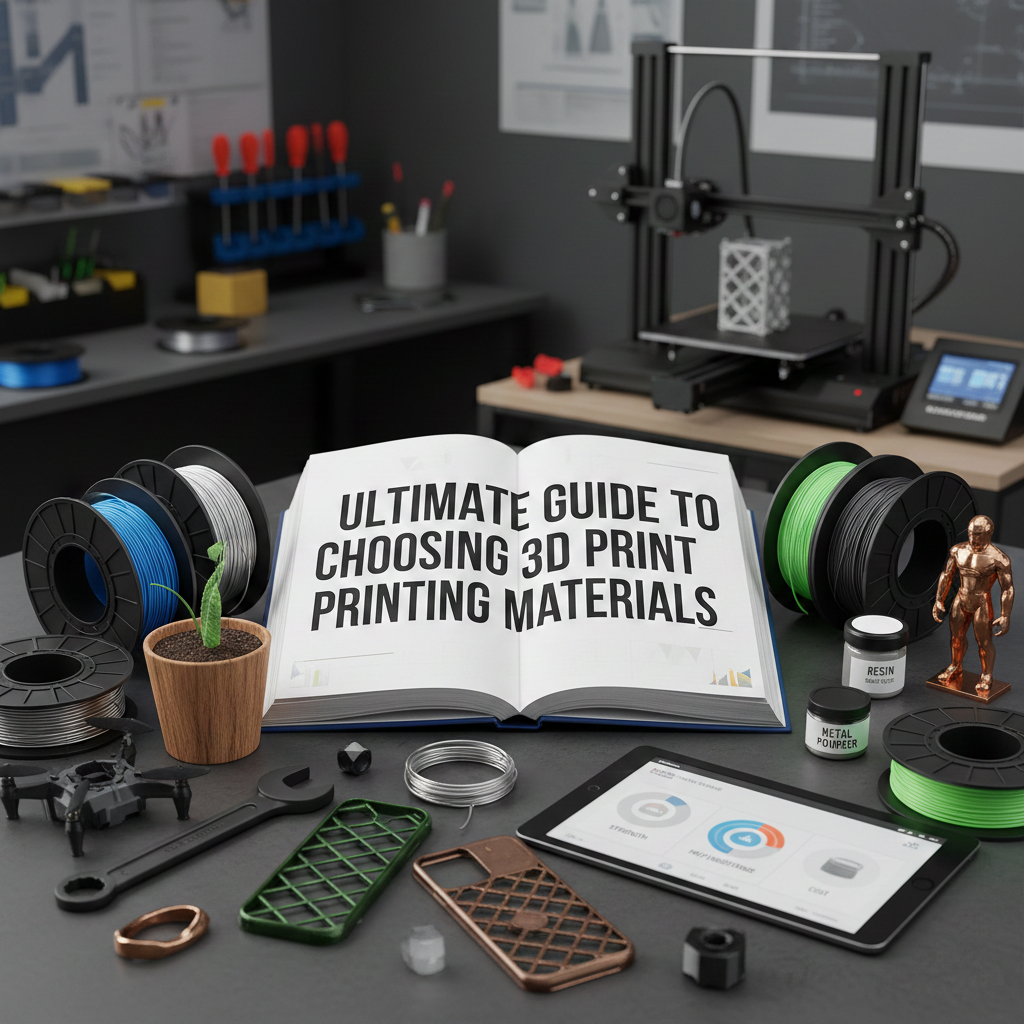
Choosing the right material for your 3D printing project is crucial. The ideal material depends on several factors, such as the nature of your project, its intended use, and your personal preferences. This guide will walk you through selecting the perfect material for your next 3D print, ensuring it meets all your needs.
First things first, let’s talk about the different types of materials available in the world of 3D printing. There are three main categories: thermoplastics, thermosets, and metals. Thermoplastics can be melted and reformed multiple times without degradation, making them perfect for projects that require repeated assembly or where cost-effectiveness is a priority. Thermosets, on the other hand, are heat-resistant materials that cure irreversibly; they’re ideal for applications with high thermal requirements.
Now, let’s dive deeper into each material type and discuss some popular options within those categories:
- Thermoplastics: Some widely used thermoplastics in 3D printing include PLA (Polylactic Acid), ABS (Acrylonitrile Butadiene Styrene), PETG (Polyethylene Terephthalate Glycol), and Nylon.
PLA is a popular choice due to its ease of use, low odor, and biodegradable properties. It’s perfect for making prototypes or small products with moderate strength requirements. ABS offers greater heat resistance than PLA but tends to have a stronger smell during printing. It’s ideal for projects that require more durability like phone cases or figurines.
PETG is known for its excellent balance of flexibility, toughness, and transparency. It’s widely used in food wrapping applications and medical products because it’s FDA compliant. Nylon has high impact resistance and low warpage properties, making it suitable for mechanical parts.
- Thermosets: Materials like resin or epoxy are common thermosetting materials that cure when exposed to heat, light, or other forms of energy. These materials can be very strong but usually require a special printing process. Thermosets are best suited for applications where extreme durability and high thermal resistance are needed.
- Metals: For 3D printing metal parts, you have options like aluminum, brass, copper, steel, and titanium alloy. Metal 3D printed parts can be used in aerospace, automotive, medical industries or as jewelry. Metal materials usually require a high-end printer capable of handling the high temperatures involved.
After understanding your material categories, it’s time to think about other important factors:
- Layer Height: Different materials are compatible with different layer heights. Some materials work best at higher or lower heights depending on how well they bind and hold their shape.
- Print Speed: The speed of the print can affect the quality and strength of your final product, especially when it comes to thermoplastics.
- Bed Adhesion: Materials like PLA tend to have better bed adhesion, reducing the risk of warping or lifting during the printing process.
Finally, consider your budget and the availability of materials. Some 3D printing services may offer a wide range of materials for purchase, while others might limit you to just a few options. If you’re buying in bulk, it’s essential to consider cost-effectiveness along with quality and performance.
In conclusion, by considering the nature of your project, intended use, personal preferences, material categories, layer height, print speed, bed adhesion, budget, and availability, you’ll be able to make an informed decision when choosing the right 3D printing materials for your next project. Experiment with different materials and settings to find out what works best for each unique application.